

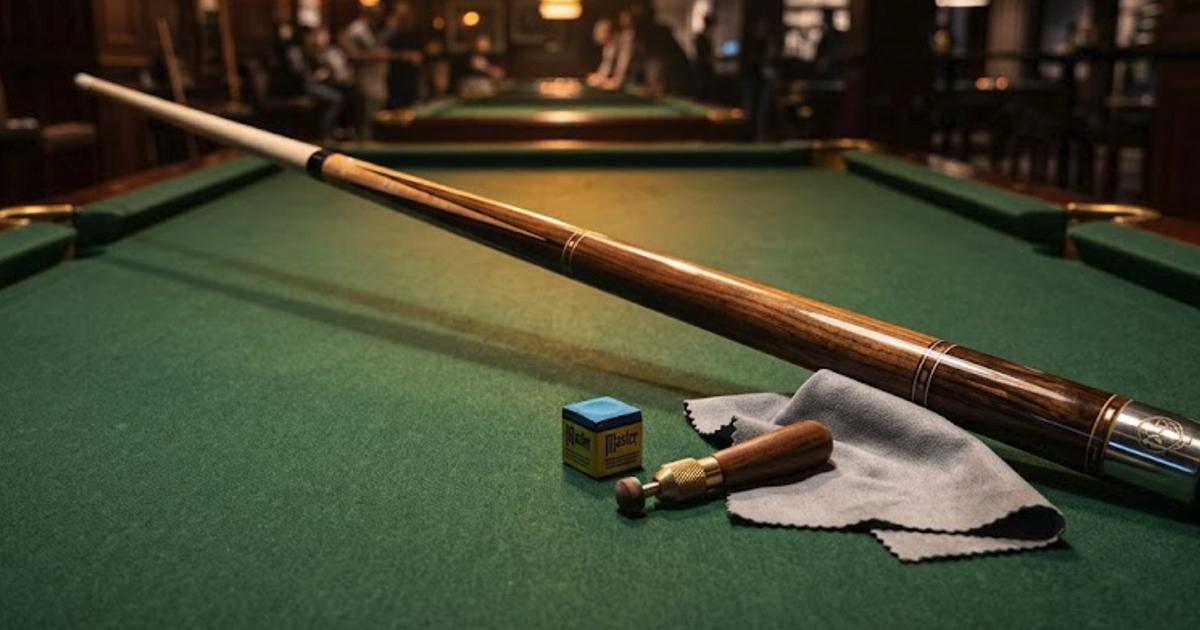

Your pool cue is more than just a stick. It is your connection to every shot, every spin, and every perfectly placed ball on the felt. Whether you are a casual player who stops in for a fun Friday night or a league competitor who takes the game seriously, understanding how to care for your equipment can make a dramatic difference in how you play. At Diamond Billiards in Cape Coral, we see players of all skill levels pick up cues and step up to the table every single day. The ones who truly elevate their game understand that the cue in their hands matters just as much as the shot they are planning.
This guide is going to walk you through everything you need to know about keeping your pool cue in peak condition, what to watch for when something is off, and why investing a little time into cue maintenance pays off big at the table. Whether you are playing on our house cues or you have brought in your own personal stick, this information applies directly to your game and your enjoyment of every visit to Diamond Billiards at 1242 SW Pine Island Rd, Suite 4, Cape Coral.
Why Cue Maintenance Actually Matters for Your Game
A lot of casual players do not think twice about the condition of their cue until something feels noticeably wrong. Maybe the tip starts slipping off the ball unexpectedly, or the shaft feels sticky in their bridge hand, or a shot they have made a hundred times suddenly does not go the way it should. In most cases, these frustrations come back to one thing — neglected equipment.
Your cue is a precision instrument. The shaft needs to be straight, smooth, and consistent. The tip needs to hold chalk effectively and make clean contact with the cue ball. The ferrule, which is the small white collar connecting the shaft to the tip, needs to be firmly in place. Even small imperfections in any of these areas can throw off your accuracy, affect your ability to apply spin, and introduce unpredictability into shots that should be routine.
What Happens When You Ignore Cue Maintenance
Let us be honest about what neglect looks like over time. Cue tips harden and flatten with use. When a tip loses its dome shape and becomes mushroomed or glazed, it can no longer hold chalk properly. That leads to miscues, which are those embarrassing moments when the cue tip slides off the cue ball and sends everything in the wrong direction. A poorly conditioned tip robs you of spin control and consistency, two of the most important elements in advanced play.
Beyond the tip, a dirty shaft creates friction against your bridge hand, slowing your stroke and throwing off your timing. In humid climates like we enjoy here in Southwest Florida, wood is particularly susceptible to absorbing moisture, which can cause warping over time if cues are not stored properly. A warped cue shaft can make even the most skilled player look like a beginner.
The Essential Steps to Proper Pool Cue Care
Taking care of your pool cue does not require a lot of time or specialized knowledge. A few simple habits practiced regularly will keep your cue performing like new for years. Here is what you should be doing to protect your investment and your game.
Cleaning the Shaft Regularly
The shaft of your cue accumulates oils from your skin, chalk residue, and general grime every time you play. Over time, this buildup creates a rough texture that drags against your fingers during your stroke. Cleaning your shaft regularly removes this buildup and restores that smooth, gliding feel that allows for a clean, consistent delivery.
For most players, wiping the shaft down with a slightly damp cloth after every session is enough to keep surface grime under control. For more thorough cleaning, a specialized cue shaft cleaner or even a very fine-grit leather burnishing pad can restore a like-new feel. Some players swear by commercial shaft conditioners designed specifically for billiards equipment. Avoid using alcohol-based cleaners too frequently, as they can dry out the wood over time.
Maintaining and Replacing Your Cue Tip
The tip is arguably the single most important component of your cue, and it is also the one that requires the most regular attention. Here is what you need to know about tip care and when to replace it.
- Shaping the tip: A properly shaped tip has a slight dome, similar to the curve of a nickel. Use a tip shaper or scuffer to restore this shape if your tip has become flat or mushroomed over time.
- Scuffing the surface: Scuffing the tip creates a slightly rough texture that holds chalk better. A smooth, glazed tip will shed chalk and lead to miscues.
- Chalking properly: Apply chalk before every shot by rotating the chalk over the tip in a smooth, even motion. Avoid grinding chalk in circles, which can wear the tip unevenly.
- Knowing when to replace: If your tip is less than a few millimeters thick, hardened beyond reshaping, or constantly causing miscues despite proper chalking, it is time for a new tip. Tip replacement is inexpensive and one of the best upgrades you can make to a struggling cue.
- Choosing the right hardness: Cue tips come in soft, medium, and hard varieties. Softer tips grip the cue ball better for spin but wear out faster. Harder tips last longer and work well for players who prefer a more consistent, straightforward stroke.
Protecting the Shaft from Warping
Wood warps when it is exposed to uneven moisture or temperature conditions. Here in Cape Coral and throughout Southwest Florida, humidity is a factor that every cue owner should take seriously. Always store your cue in a case rather than leaning it against a wall. Cases protect against humidity fluctuations and physical damage. Roll your cue on a flat surface periodically to check for warping. A straight cue will roll smoothly and evenly. Any wobble or deviation indicates a warp that will affect your game.
Caring for the Butt and Joint
The butt of your cue is where your grip hand spends most of its time, and the joint is the connection point between the shaft and butt. Both deserve regular attention. Wipe down the wrap or handle area to remove oils and sweat. For leather or linen wraps, avoid saturating them with liquid cleaners. Keep the joint threads clean and free of chalk dust to ensure a tight, consistent connection between the two halves of your cue. A loose joint can introduce unwanted flex and throw off your stroke mechanics.
House Cues vs. Personal Cues: What Every Player Should Know
When you come out to play at Diamond Billiards, you have access to quality house cues that are maintained for general use. House cues are a fantastic way to play without any investment, and they work perfectly well for casual nights out, group outings, and getting started with the game. However, if you are serious about improving your skills, making the investment in a personal cue offers several advantages worth considering.
The Benefits of Owning Your Own Cue
A personal cue is calibrated to your preferences. You choose the weight, which typically ranges from 18 to 21 ounces. You select the tip hardness, the wrap style, and the shaft taper that fits your stroke. Over time, your cue becomes an extension of your playing style, and the consistency of using the same stick every session accelerates your improvement. You know exactly how the cue feels, how much power it delivers, and how it responds to your touch. That familiarity is a genuine competitive advantage.
Players who participate in our pool leagues and tournaments at Diamond Billiards often bring their own cues because consistency matters at a competitive level. Competing with a familiar stick removes one variable from the mental equation, allowing you to focus entirely on strategy and shot execution rather than adjusting to unfamiliar equipment.
Where to Start When Buying Your First Cue
If you are new to the game and thinking about buying your first cue, the good news is that you do not need to spend a fortune to get a quality starter stick. Entry-level cues in the $50 to $150 range offer solid performance for recreational play. Look for a two-piece cue with a medium tip, a comfortable weight between 19 and 20 ounces, and a wrap that feels secure in your grip hand. Avoid cues at the very bottom of the price range, as they often feature lower-quality tips and shafts that will hinder your development rather than support it.
As your skill grows, you may find yourself wanting to upgrade to a mid-range or professional cue. Many experienced players in our Cape Coral community have been on that journey, and they would be the first to tell you that the right cue at the right time makes a noticeable difference. Do not be afraid to try a few different weights and styles before committing to a purchase.
Come Play Your Best Game at Diamond Billiards
Whether you are a cue collector with a perfectly conditioned personal stick or someone just discovering the joy of pool for the first time, Diamond Billiards in Cape Coral is the perfect place to put your skills to work. We have professional-quality tables, a full-service bar with great drinks, delicious food options, and an atmosphere that makes every visit feel like a celebration. Our pool leagues and tournaments give ambitious players a chance to compete, improve, and connect with a community of fellow billiards enthusiasts right here in Southwest Florida.
Stop in and see us at 1242 SW Pine Island Rd, Suite 4, Cape Coral, give us a call at (239) 573-7665, or order from us through DoorDash or Uber Eats if you want to bring the flavor of Diamond Billiards home. However you choose to connect with us, we promise an experience worth talking about. Take care of your cue, come play your best game, and let Diamond Billiards handle the rest. We will see you at the table.